Flyingbelt

Flyingbelt Agudio, barrier-free technology

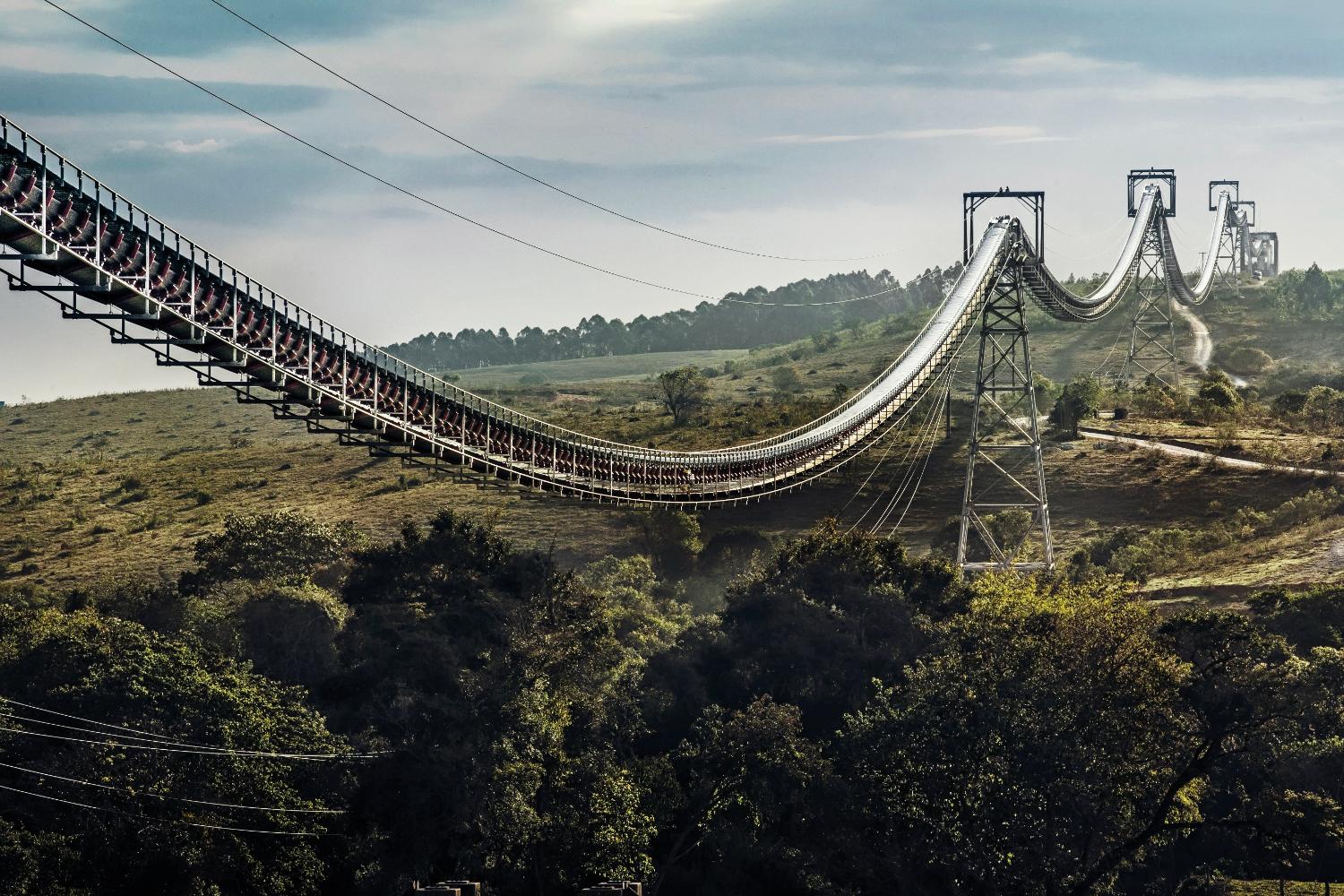
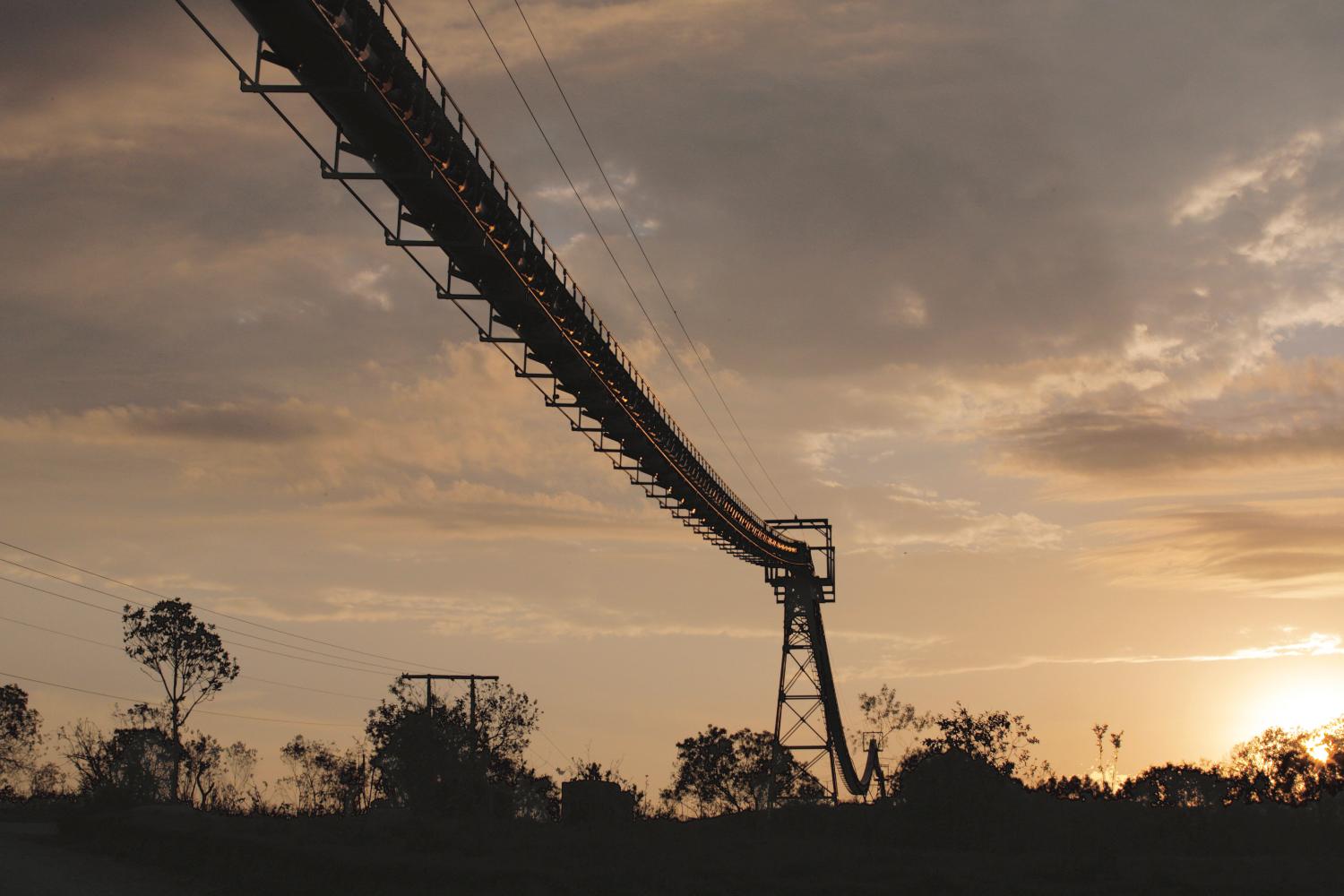
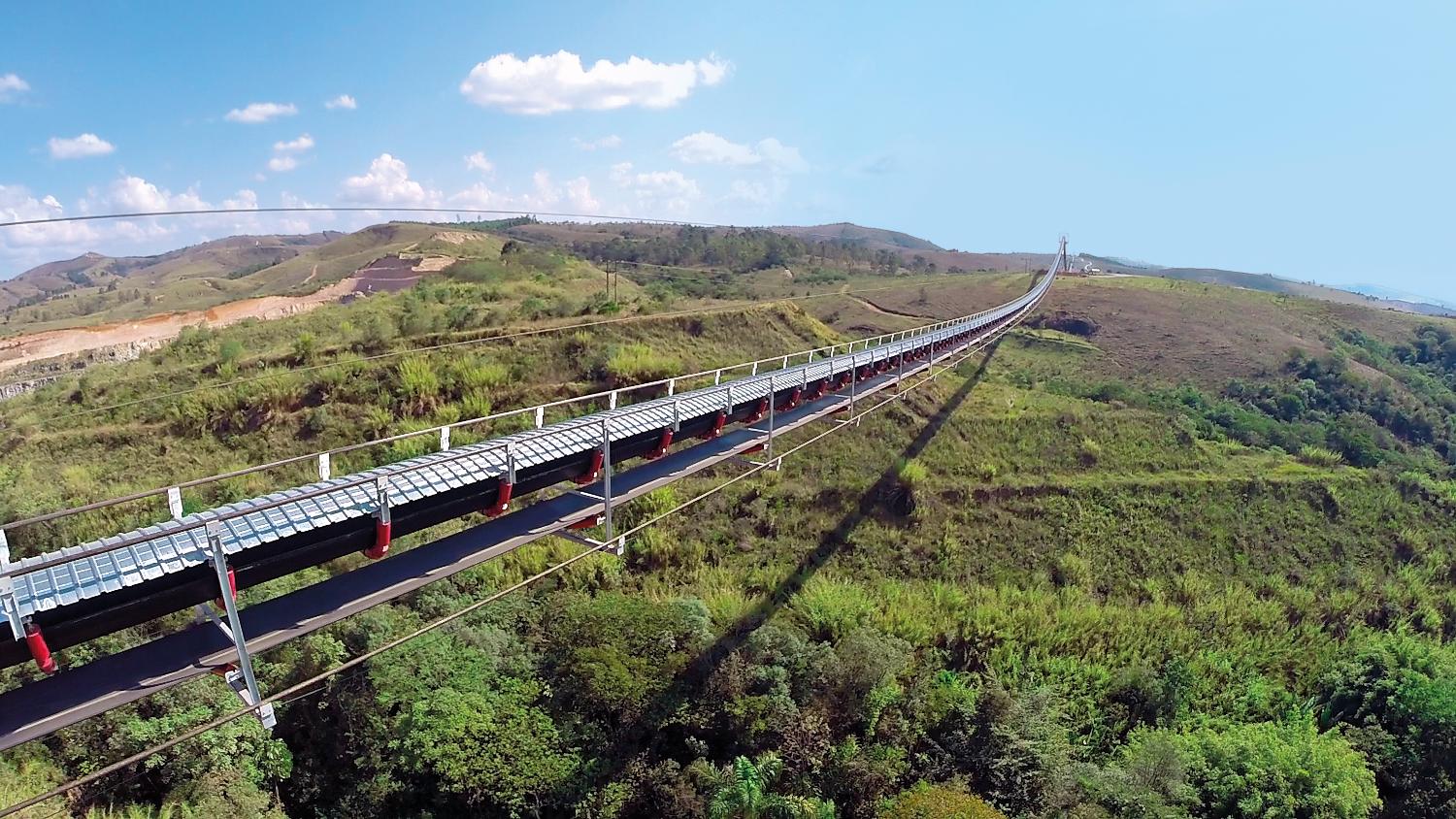
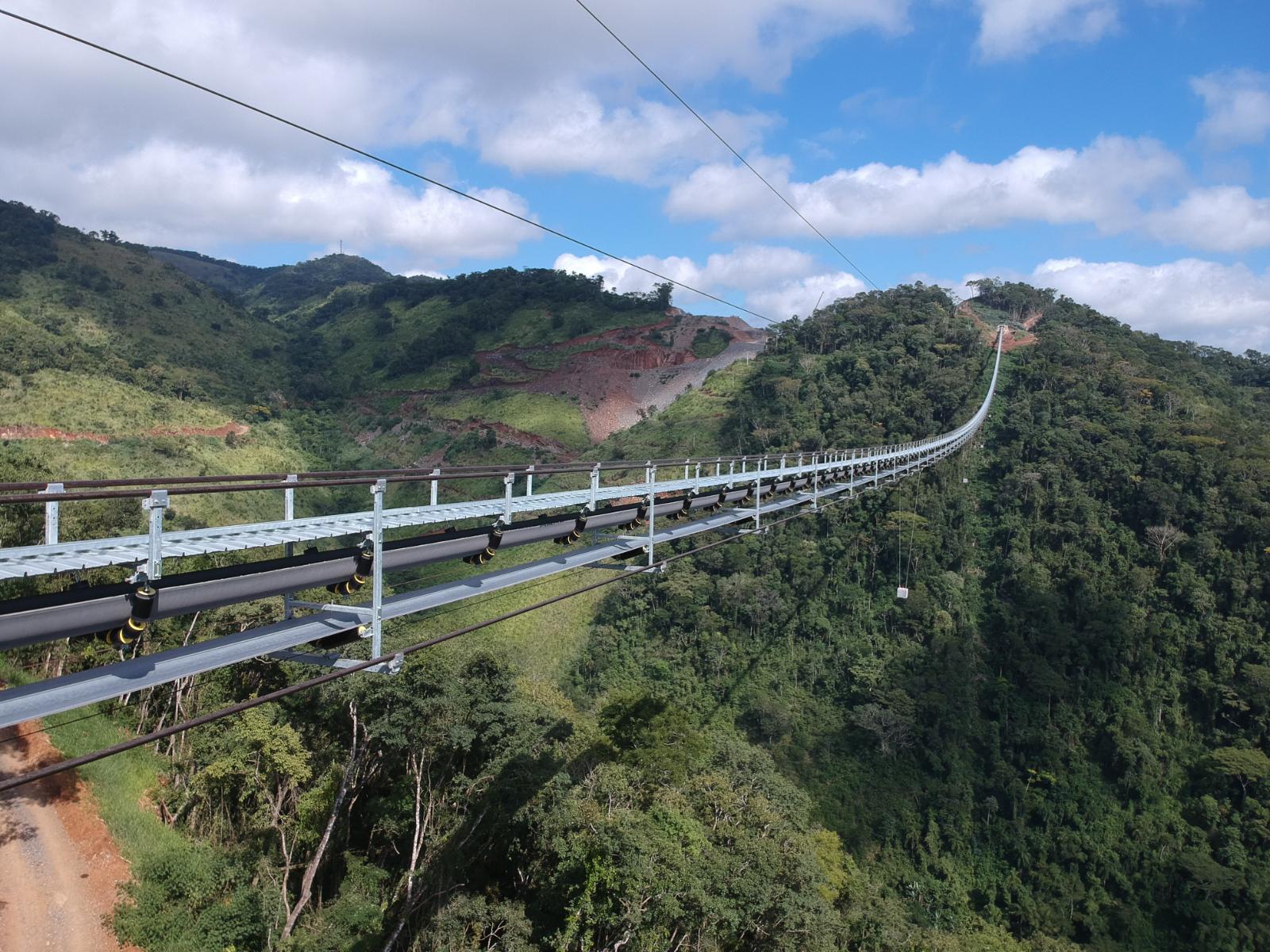
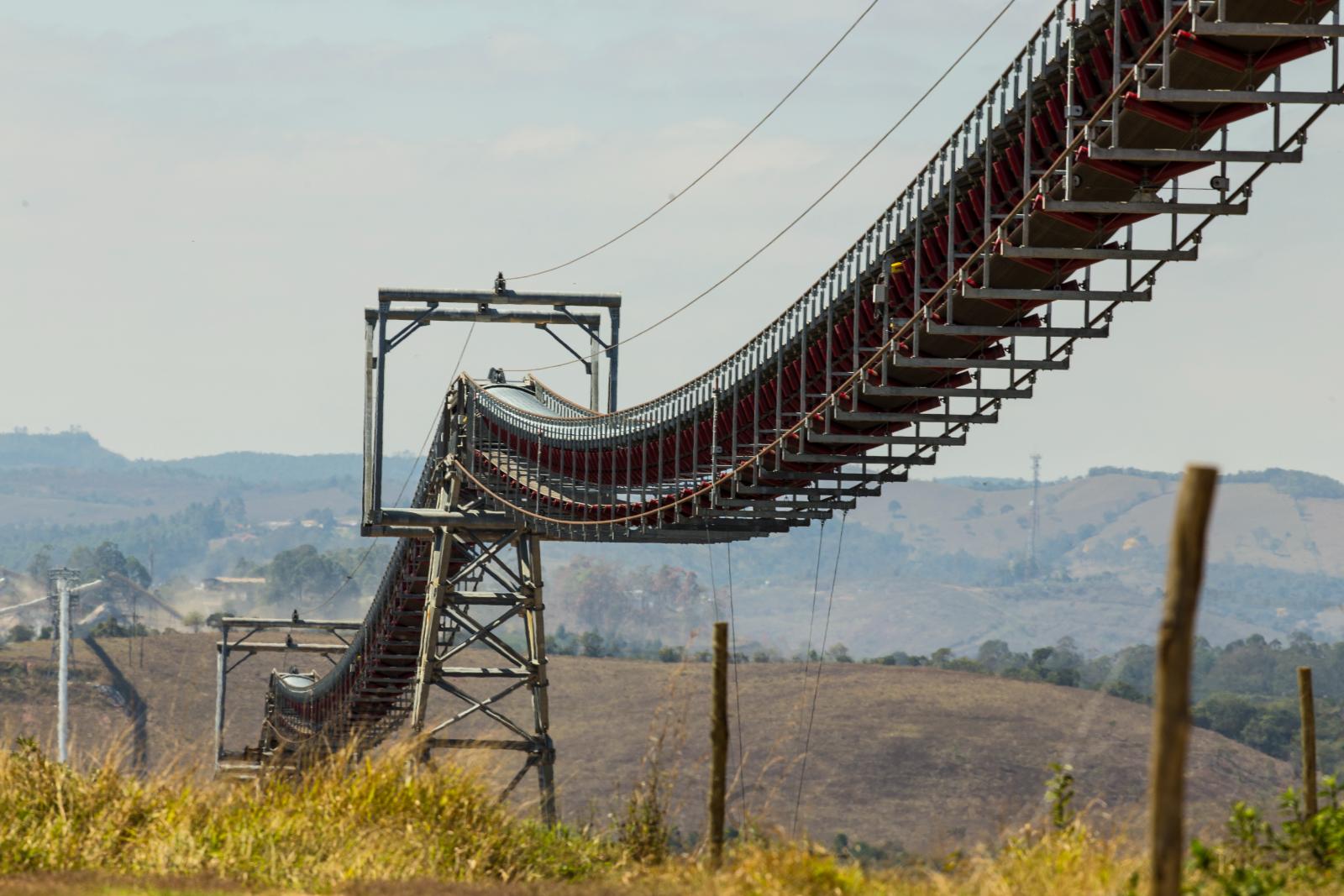
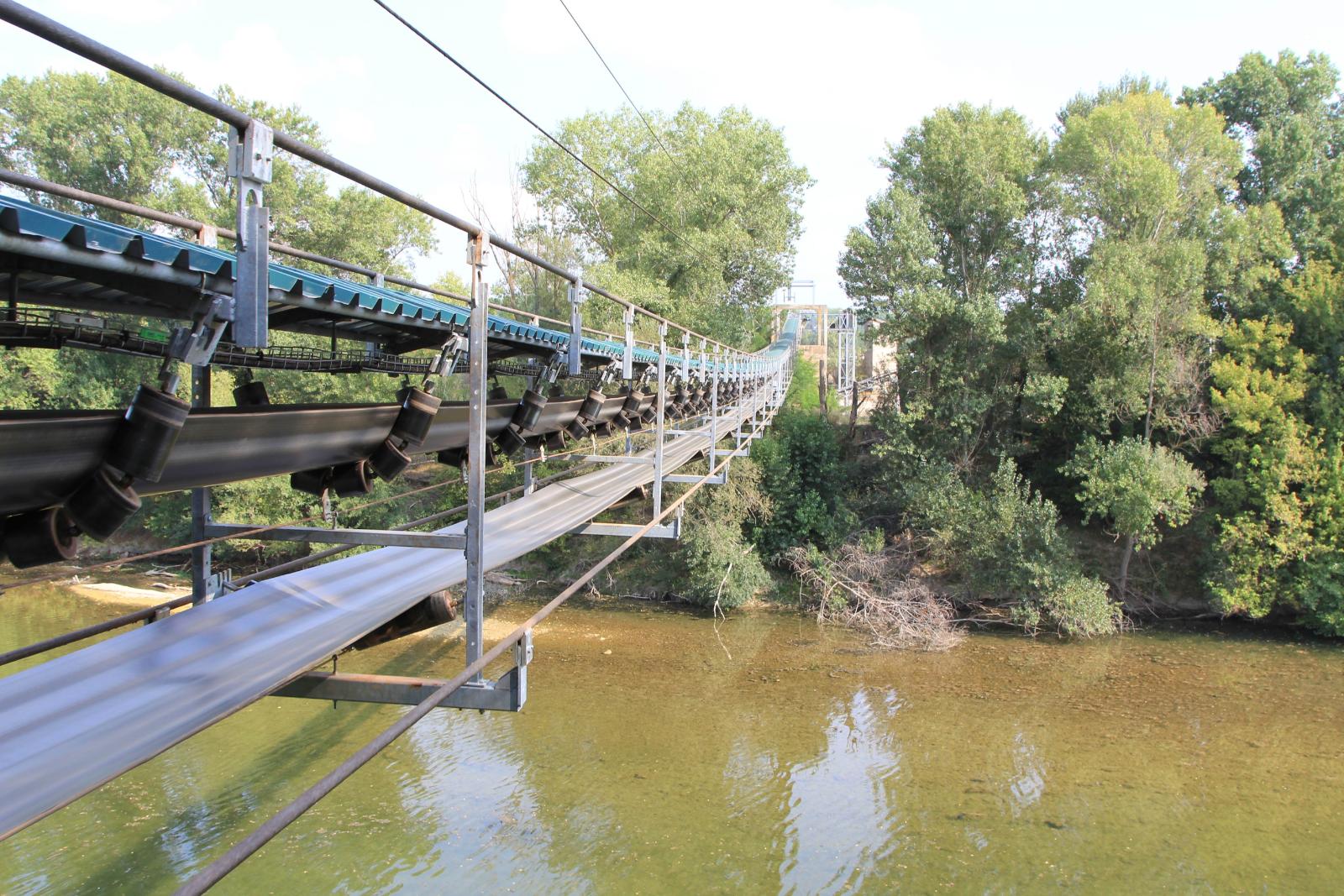
The Flyingbelt is a patented system that combines the advantages of belt conveyors and ropeways in a product unique in terms of efficiency and reliability.

Independence from the morphological conditions of the terrain makes the Flyingbelt applicable to any context, with significant savings in the construction of civil works, earthworks and support structures required for traditional transport systems.

The adoption of standard components also used for traditional conveyor belts allows the Flyingbelt to be a highly innovative system but at the same time ordinary in terms of management and maintenance methods and costs.

Features of the Agudio Flyingbelt

Capacity
up to
10000
Ton/h
Speed
up to
7
m/s
Spans
beyond the
1000
m
Belt width up to
1800
mm
Size up to
400
mm

Why choose the Agudio Flyingbelt

Loading point

Loading point

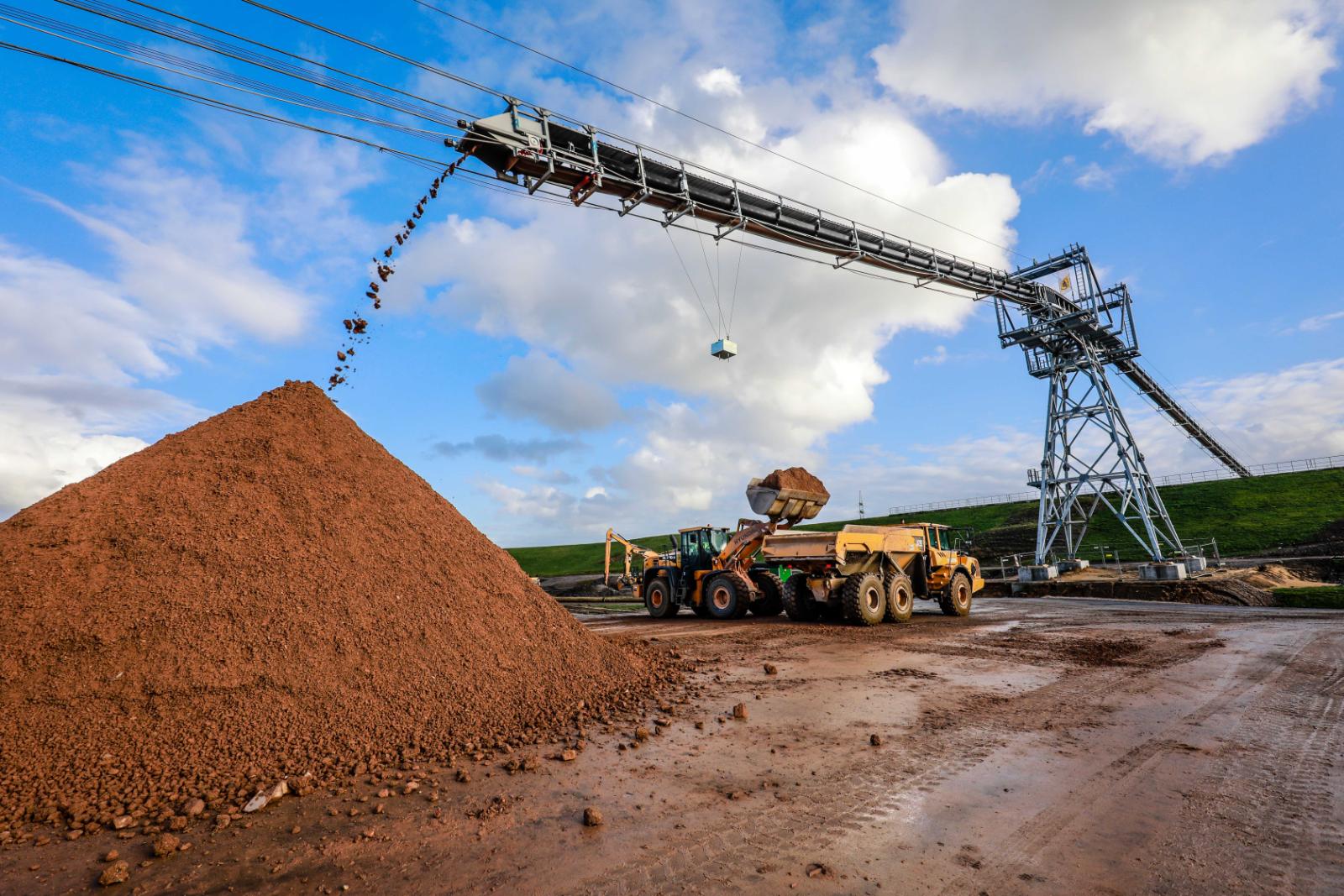
The design of the material loading point can be limited to the deviation hood alone or extended to the material receiving and storage equipment and/or transfer belts.
Unloading point

Unloading point

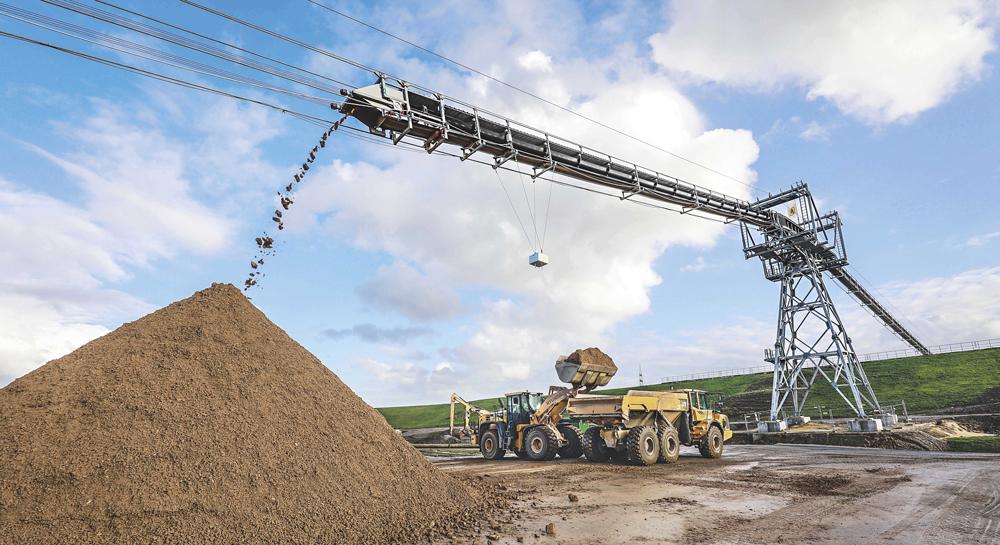
The offloading of the material can be on a stockpile or inside a building that includes other material storage and/or handling equipment.
Hybrid Flyingbelt

Hybrid Flyingbelt

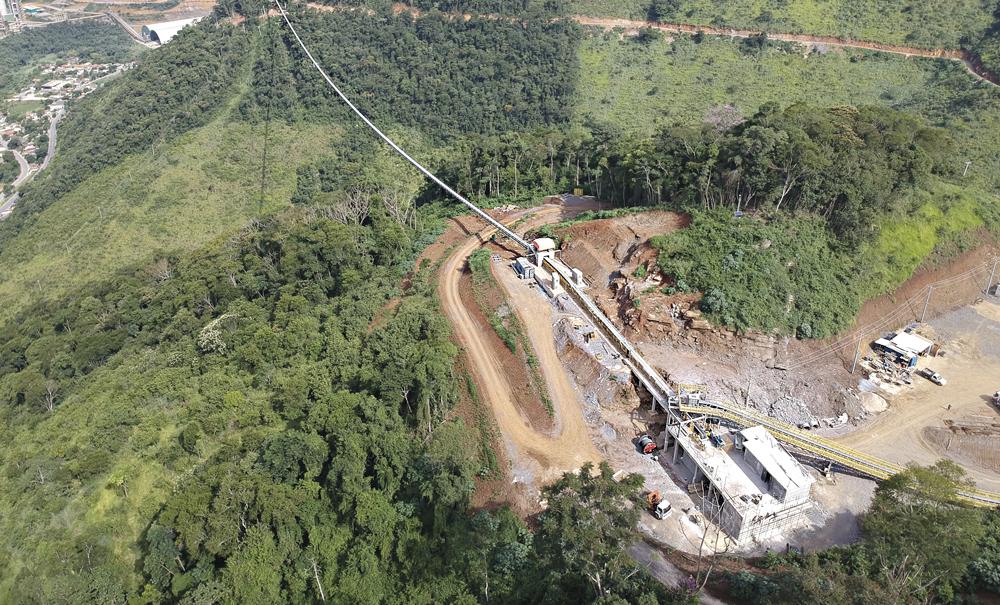
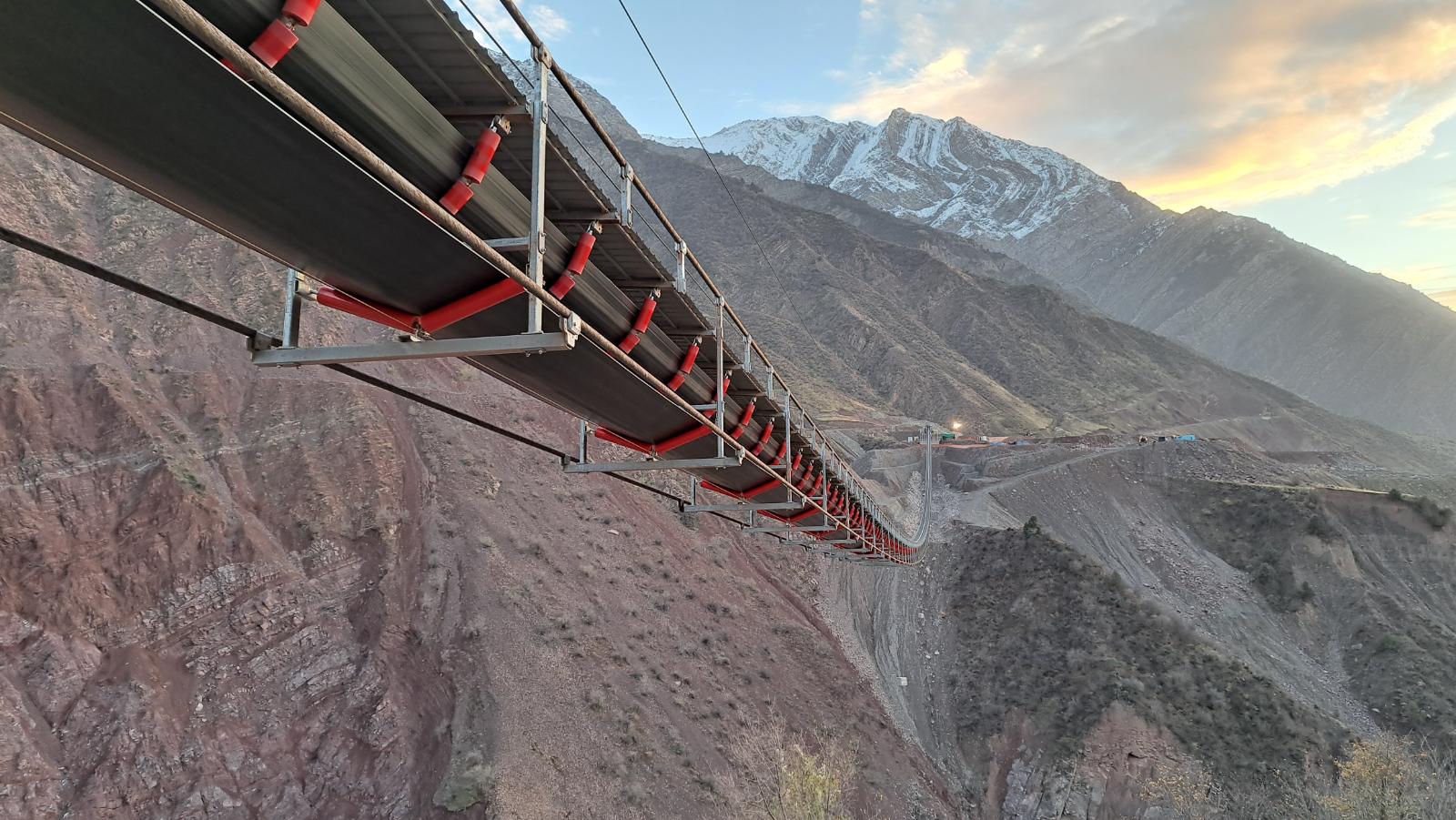
The Flyingbelt is a flexible system that allows the design of "hybrid" belts in which a single rubber belt runs suspended on ropes and on traditional supports placed on the ground depending on the morphology of the terrain, thus optimizing investment costs.
Inspection and maintenance

Inspection and maintenance

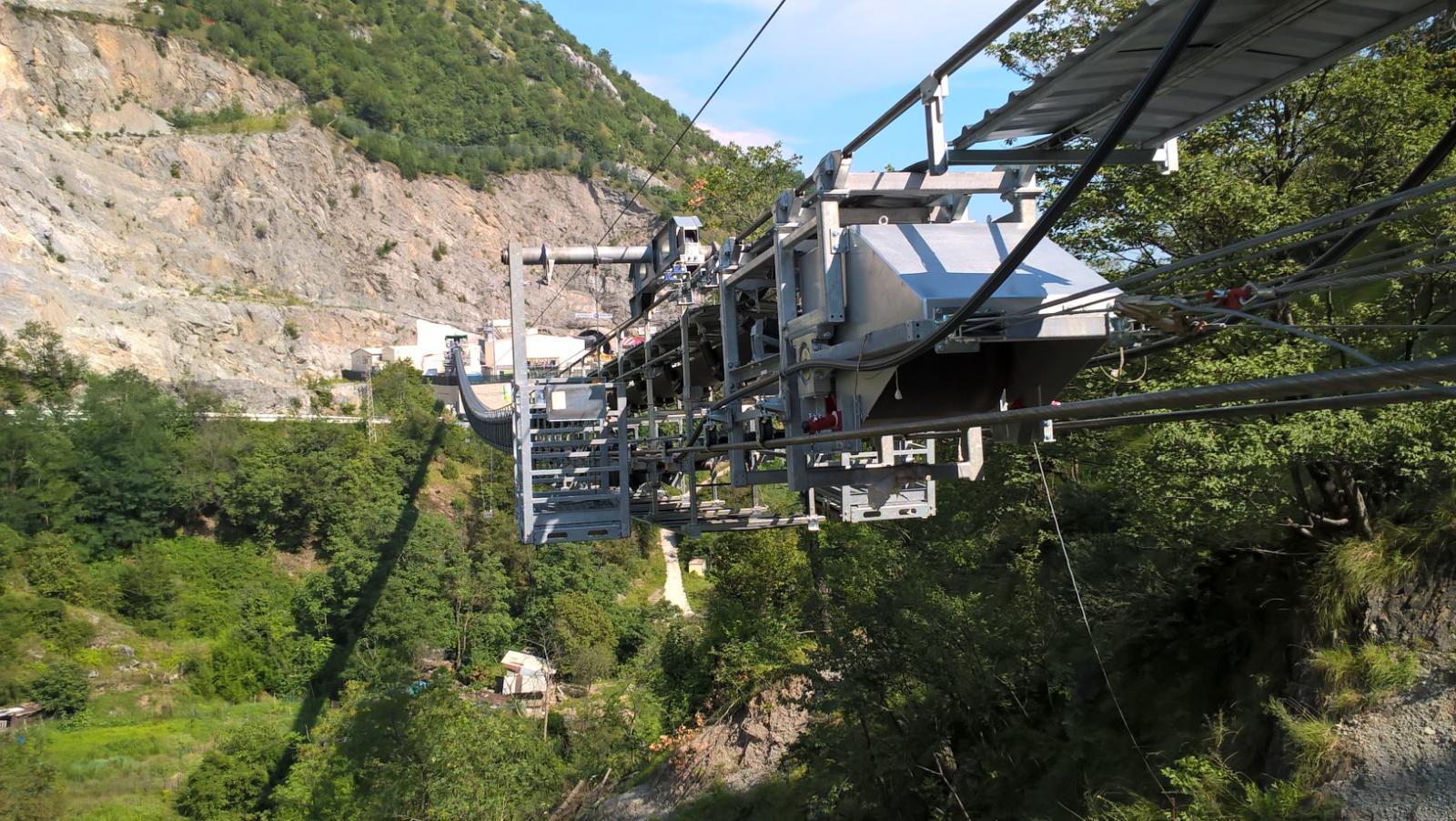
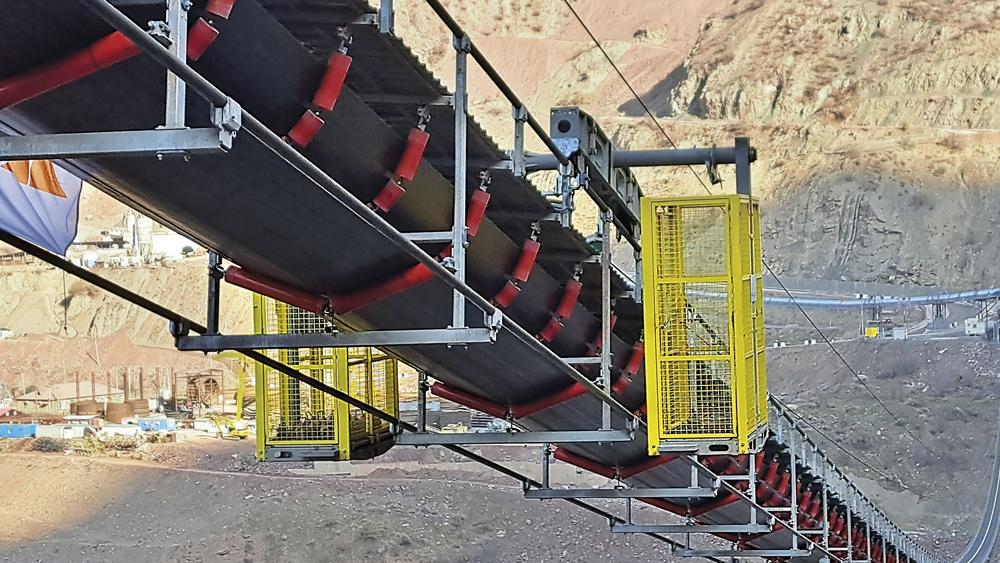
The Flyingbelt is equipped with a vehicle that travels on the two upper ropes, allowing two operators to easily and safely perform inspection and maintenance operations. For wider belts, the vehicle is equipped with tools that ensure ergonomics during maintenance.
Wind stability

The Flyingbelt is a flexible structure and at the same time an extremely stable system. The relative position of the section's rotation center, the center of gravity of the masses, and the point of application of wind pressure prevent the section from rotating even in crosswind conditions, thus eliminating material spillage.

Featured project

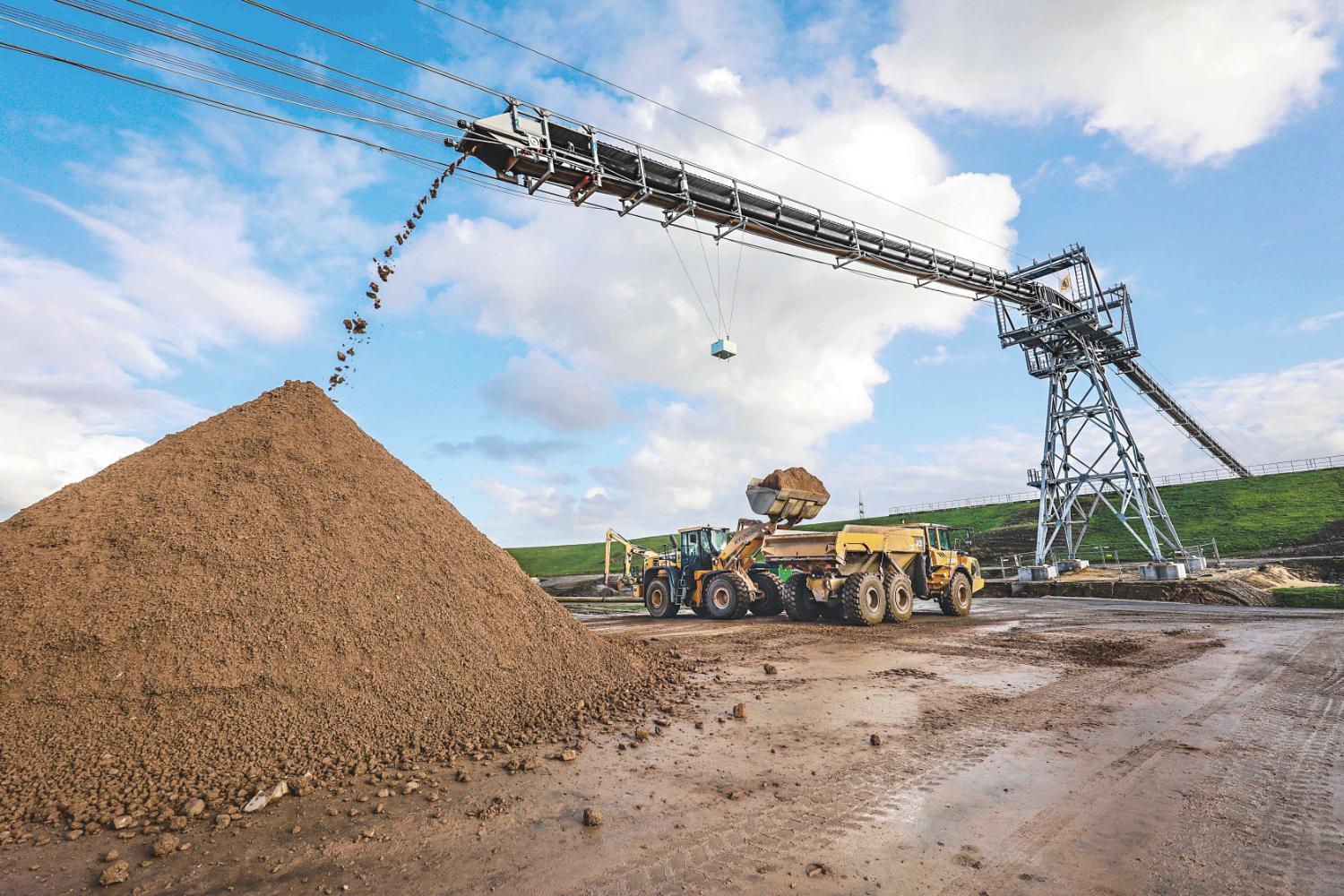
Flyingbelt Marl, Germany

Flyingbelt Marl, Germany

Flyingbelt used to transport aggregates to the northern bank of the Lippe river by flying directly over the river and shortening the transport distance from 7 km to just 500 meters, avoiding a significant impact on local traffic.

Go to the project

Other projects

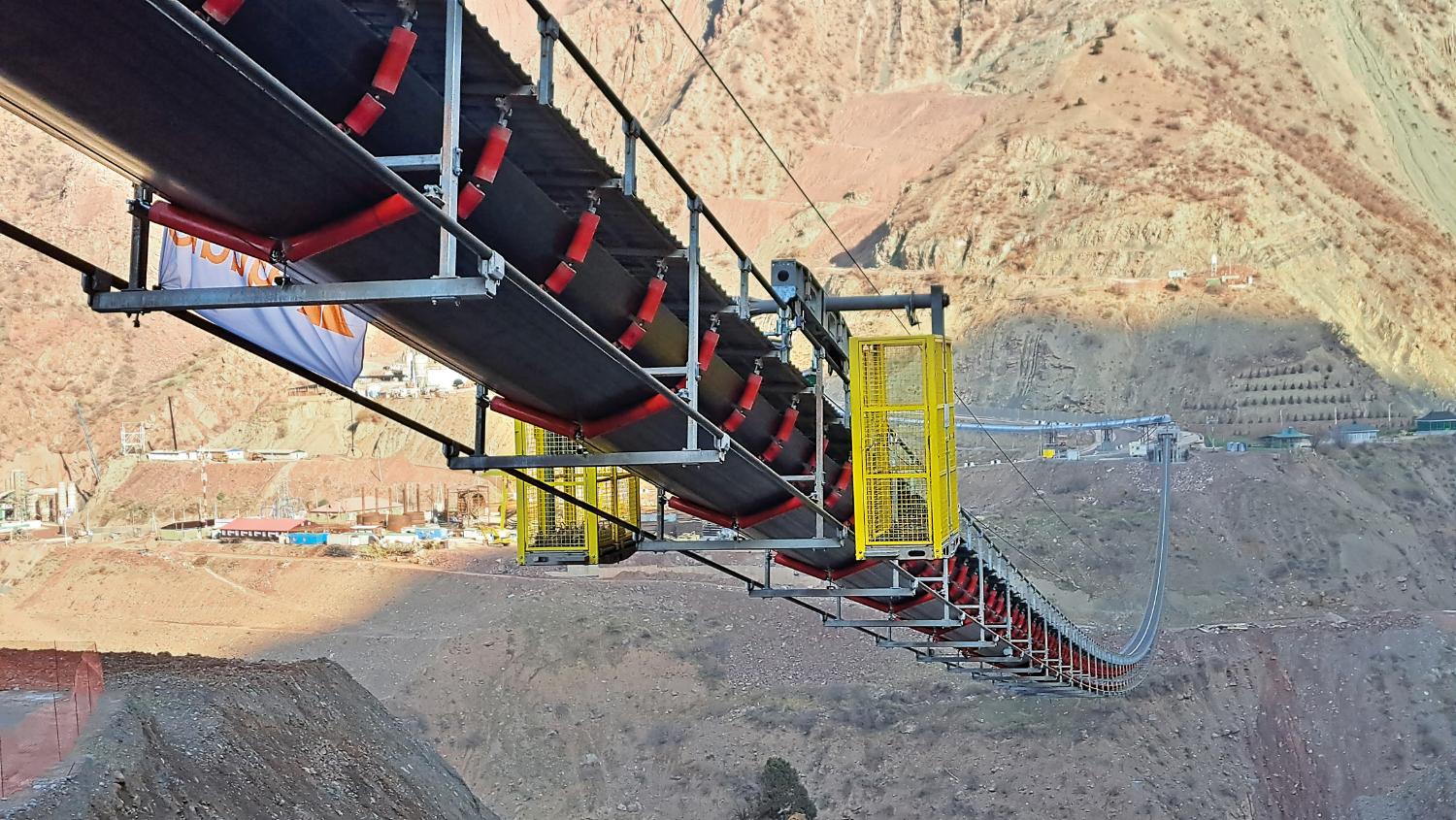
Flyingbelt Rogun, Tajikistan

Flyingbelt Rogun, Tajikistan

The first Flyingbelt to reach a capacity of 3,000 tons per hour. It is in operation at the Rogun dam construction site in Tajikistan, the tallest dam in the world. Spanning a 650-meter valley without the need for supporting structures other than four 65mm ropes, the Flyingbelt significantly shortens the overall length of the conveyor belts, reducing operating costs.

Discover more
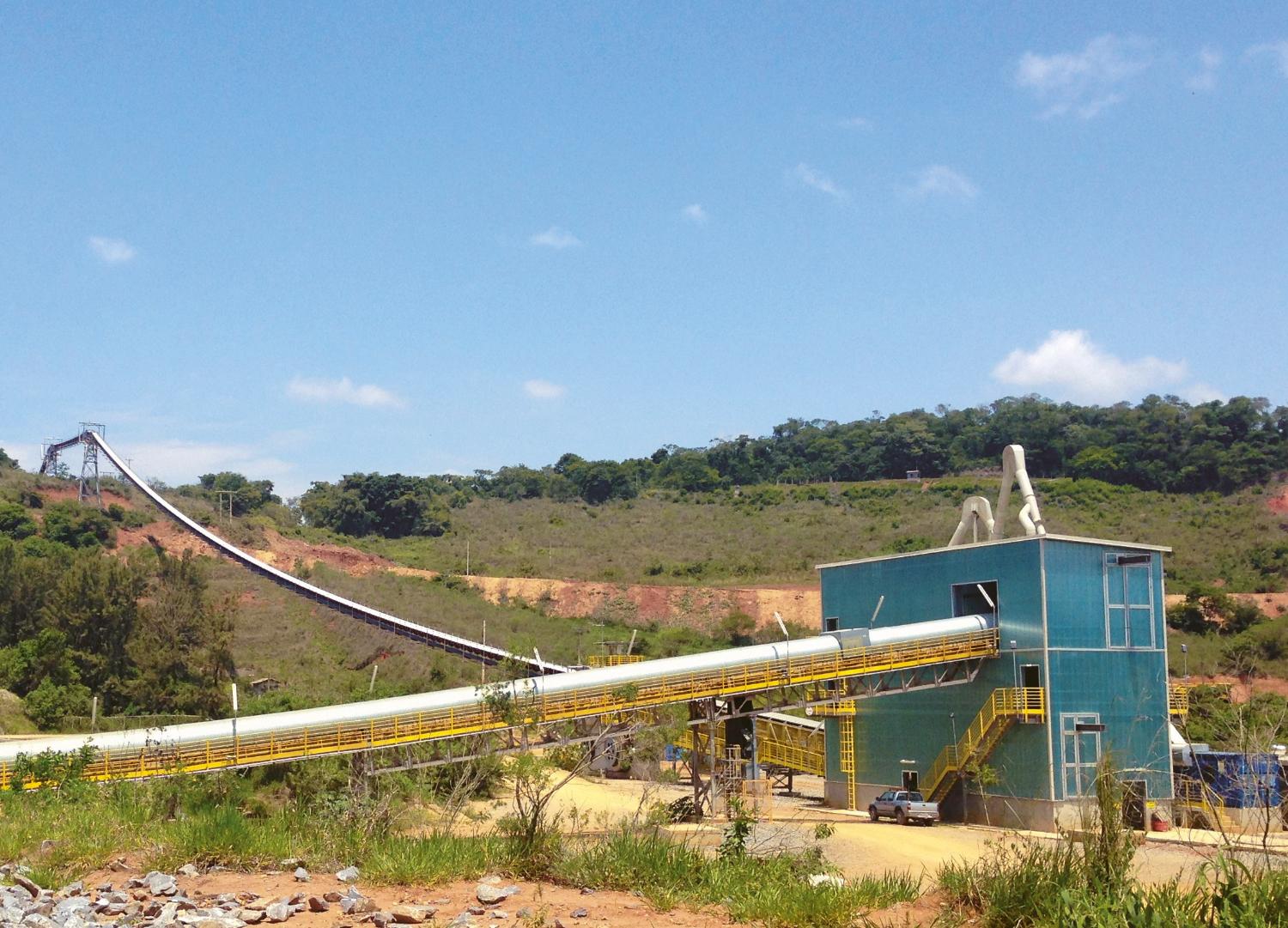
Flyingbelt Adrianópolis, Brazil

Flyingbelt Adrianópolis, Brazil

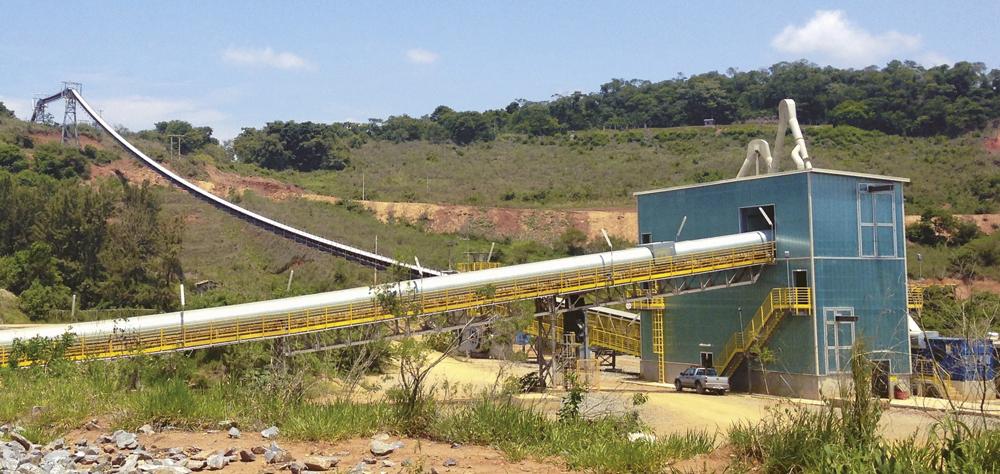
Second Flyingbelt for a cement plant in Brazil. The Flyingbelt transports 720 tons of limestone per hour from the quarry to the cement plant, avoiding costly, polluting, and dangerous truck transport on public roads.

Discover more
Flyingbelt Genoa, Italy

Flyingbelt Genoa, Italy

Flyingbelt in operation at one of the Terzo Valico dei Giovi construction sites, it is used to transport the excavated material from the tunnel to the storage area, crossing a 300 meters valley without the need for metal supporting structures. The Flyingbelt technology was chosen by the customer for its simplicity and low environmental impact.

Discover more
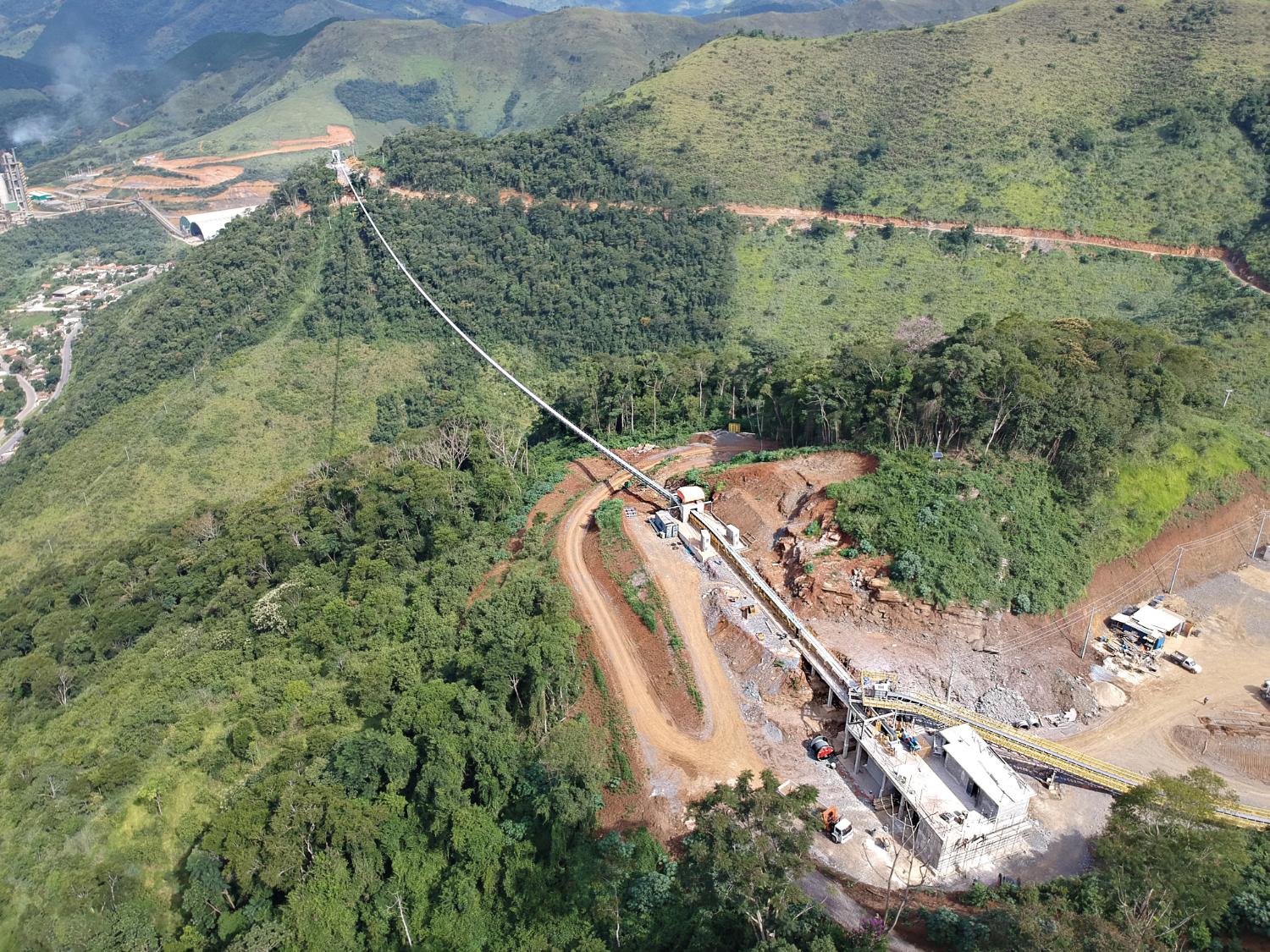
Flyingbelt Barroso, Brazil

Flyingbelt Barroso, Brazil

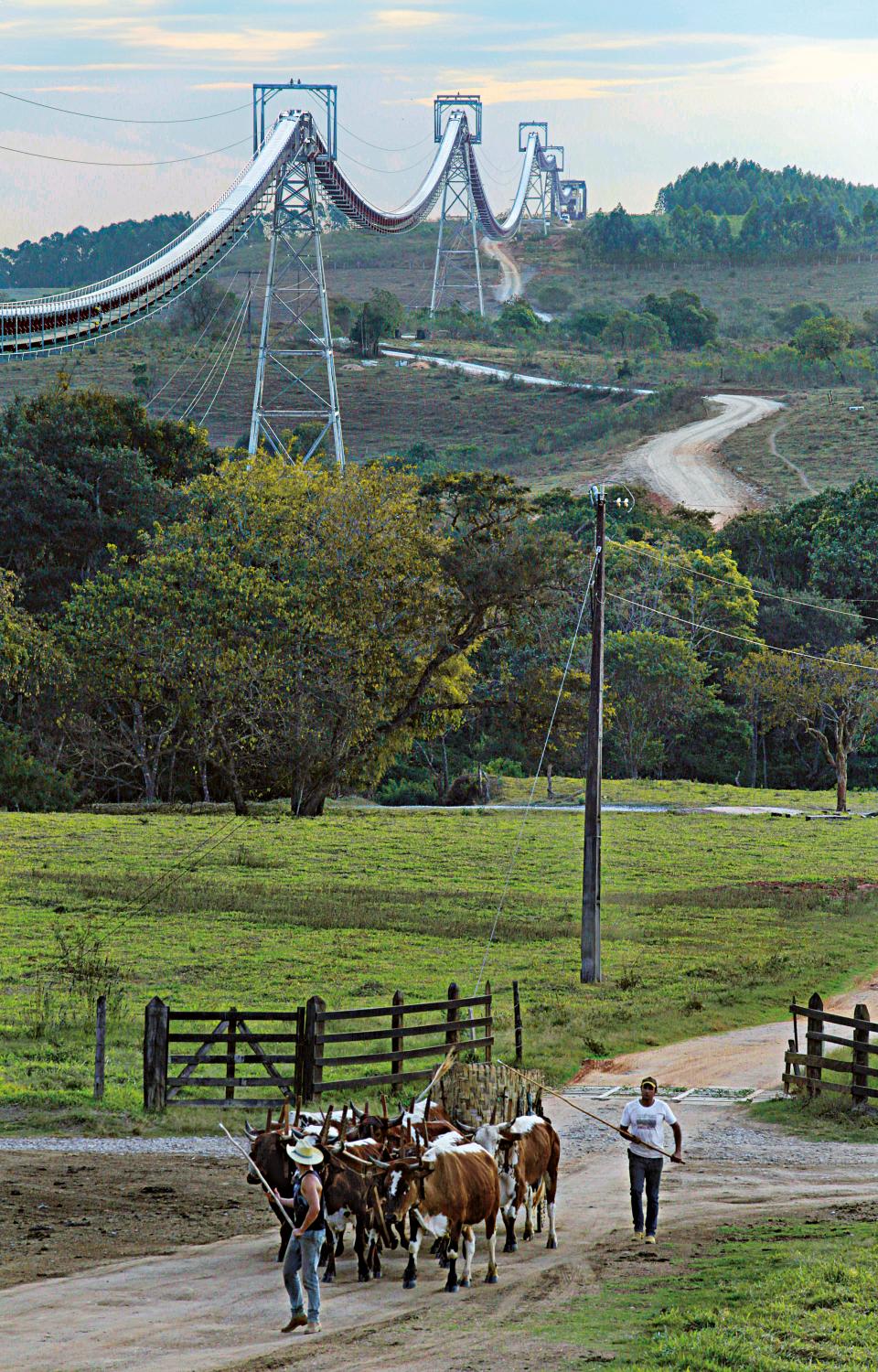
A 7.2 km Flyingbelt built for a cement factory, able of transporting 1,500 tonnes of limestone per hour. The Flyingbelt replaces the 40 trucks that would be needed to move the same amount of material in one hour, thus making a significative contribution to reduce the traffic on the roads  and minimizing the environment impact. The world's longest rope suspended conveyor belt uses a single rubber belt with a total length of 14,400 kilometres, 60,000 metres of ropes and 25,000 rollers.

Discover more
Flyingbelt Pouzol, France

Flyingbelt Pouzol, France

The Flyingbelt is used to transport aggregates from the new quarry to the existing processing and storage facility, flying over the Hérault river, in compliance with local regulations requiring minimal environmental impact. One of the main advantages of this Flyingbelt is the ability to directly connect the two sites with a conveyor just 215 meters long, rather than a 10 km road journey with trucks.

Discover more

Request commercial contact

Please rotate your device to portrait mode.